

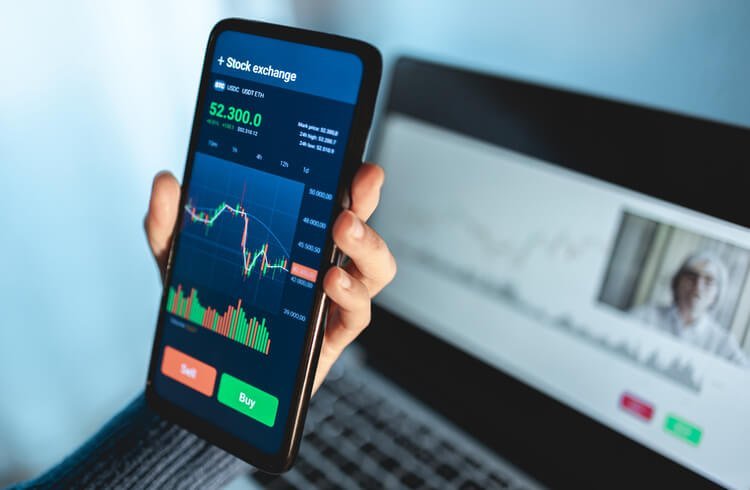
The world of Forex trading can be both exhilarating and challenging, especially in the diverse and dynamic market of South Africa. For aspiring traders, understanding the intricacies of Forex trading and developing a well-rounded strategy is key to achieving success in this thrilling financial venture.
Gaining Insight into the Forex Trading Market in South Africa
The Forex market in South Africa presents a gateway to global trading opportunities, allowing individuals to participate in the buying and selling of various currency pairs. Unlike traditional stock exchanges, the Forex market is decentralised, operating 24 hours a day across different time zones. In South Africa, this financial arena is overseen and regulated by the Financial Sector Conduct Authority (FSCA), ensuring a level of protection for traders.
To succeed in Forex trading, South African traders must grasp the market’s dynamics, including supply and demand factors, the impact of economic indicators, and geopolitical events. By staying informed about global economic developments and geopolitical shifts, traders can make informed decisions and capitalise on potentially lucrative opportunities.
Establishing a Solid Knowledge Base
Education is the bedrock of successful Forex trading. Aspiring South African traders should dedicate time and effort to gain a strong knowledge foundation in Forex concepts, strategies, and market analysis. Online courses, webinars, and educational materials from reputable sources can provide valuable insights into the world of Forex trading.
Familiarising oneself with essential Forex terminology, such as pips (the smallest price move that a given exchange rate can make), leverage (borrowed capital to increase potential returns), and margin (the collateral required to open and maintain trading positions), is critical for effective trading. Understanding how currency pairs are quoted is also essential. For example, the EUR/USD pair represents the exchange rate between the Euro and the US Dollar, with the first currency being the base currency and the second currency the quote currency.
Selecting a Reputable Forex Broker
Choosing a reliable Forex broker is of paramount importance for South African traders. Key considerations include regulatory compliance, security measures, and the range of trading platforms and tools offered by the broker. It is crucial to ensure that the selected broker is regulated by the FSCA or other respected regulatory bodies.
Additionally, traders should evaluate customer support quality, available account types, and the ease of deposit and withdrawal methods. Efficient trade execution is also crucial for executing trades at desired price levels and avoiding slippage.
Developing a Solid Trading Strategy
A well-defined trading strategy is the cornerstone of successful Forex trading. South African traders should identify their trading goals, risk tolerance, and preferred trading style (e.g., scalping, day trading, swing trading, or position trading). By understanding their objectives, traders can align their strategies accordingly.
Implementing robust risk management techniques is vital to protect capital and manage potential losses. Determining appropriate risk-to-reward ratios and position sizing can help traders strike a balance between risk and potential profits.
Technical Analysis and Charting Tools
South African traders can utilise various charting tools and technical indicators to analyse currency pairs and identify potential trading opportunities. Technical analysis involves studying historical price patterns and market data to predict future price movements.
Trendlines, support and resistance levels, moving averages, and oscillators are common technical analysis tools used by traders. These tools help identify market trends, momentum shifts, and potential reversal patterns, providing valuable insights for making informed trading decisions.
Fundamental Analysis and Economic Factors
In addition to technical analysis, fundamental analysis plays a vital role in Forex trading. Monitoring economic indicators and understanding their impact on currency values can help traders gauge the health of economies and predict currency movements.
Key economic indicators include interest rates, GDP growth rates, employment data, and inflation reports. South African traders should keep a close eye on economic calendars and reputable news sources to stay informed about economic events and news releases that can influence currency markets.
Emotion Management and Discipline
Emotional control and discipline are the cornerstones of successful Forex trading. Emotions such as fear and greed can lead to impulsive decisions, potentially jeopardising trading outcomes. South African traders should adhere to their trading plan and avoid making decisions driven by emotions.
Developing a trading routine and maintaining a trading journal to analyse past trades can help traders identify patterns of behaviour and improve decision-making. Being aware of common trading biases, such as confirmation bias (favouring information that confirms existing beliefs) or revenge trading (seeking to recover losses by taking impulsive trades), is crucial for maintaining a disciplined approach.
Continuous Learning and Adaptation
The Forex market is a dynamic and ever-changing arena. For South African traders to thrive, continuous learning and adaptation are essential. Embracing a growth mindset and committing to ongoing education can help traders stay updated with market trends, new trading strategies, and technological advancements.
Demo accounts offer a risk-free environment for traders to practice and refine their strategies without using real money. Additionally, back-testing historical data can provide valuable insights into the effectiveness of different trading strategies.
By continually learning, adapting to changing market conditions, and refining their trading approaches, South African traders can enhance their decision-making abilities and increase their chances of success in the Forex market.
Forex trading in South Africa offers an exciting avenue for individuals to participate in global financial markets and potentially generate income. By understanding the dynamics of the Forex market, building a strong knowledge foundation, and adopting a disciplined and strategic approach, you can navigate this challenging terrain with confidence.
Remember, successful Forex trading requires dedication, continuous learning, and a commitment to risk management. By honing your skills and staying informed about global economic developments, you can unlock the vast potential of Forex trading and embark on a rewarding financial journey.